


Why Horror Games Make Failure More Meaningful
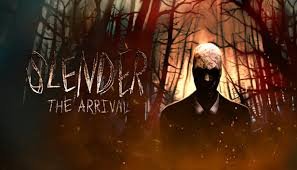
In most games, failure is an inconvenience.
You lose a fight, reload a checkpoint, and try again. Sometimes it's frustrating, but rarely memorable. A failed attempt usually becomes a brief obstacle between you and progress.
Horror games often feel different.
Failure carries emotional weight.
Even when the consequences aren't severe, the possibility of failure can completely transform the experience. A simple mistake becomes stressful. A wrong turn feels costly. A poorly timed decision can linger in your mind long after the game is turned off.
I've always found that fascinating because horror games don't necessarily punish players more harshly than other genres.
They simply make failure feel more personal.
Fear Changes How We View Mistakes
When players feel safe, mistakes tend to feel temporary.
You miss a shot.
You choose the wrong path.
You waste a resource.
None of these things seem particularly significant.
Fear changes that calculation.
Suddenly every action feels more important.
A missed opportunity isn't just inefficient.
It might create a future problem.
A wasted item isn't just a minor setback.
It could become something you desperately need later.
Horror games are masters of making players think ahead, even when they don't have enough information to do so confidently.
That uncertainty creates pressure.
And pressure makes mistakes feel meaningful.
The Possibility of Failure Is Often More Important Than Failure Itself
One of the cleverest tricks horror games use is that they don't always need players to fail.
The possibility alone is often enough.
Imagine walking through a dark environment while carrying limited resources.
You don't know when the next threat will appear.
You don't know whether you're prepared.
You don't know if you've made good decisions up to this point.
The tension comes from uncertainty.
You could be fine.
You could be making a terrible mistake.
The game doesn't immediately reveal the answer.
As a result, players spend much of their time evaluating risks.
That process becomes part of the horror.
Resource Management Creates Emotional Investment
I've never thought counting ammunition sounds particularly exciting.
Yet horror games repeatedly turn resource management into one of their most engaging systems.
The reason isn't complexity.
It's emotional investment.
Every item matters.
Every healing resource feels valuable.
Every choice involves trade-offs.
Players become attached to resources because they represent security.
Using them creates relief.
Losing them creates anxiety.
This relationship makes decision-making far more interesting than it might otherwise be.
The resources themselves aren't the point.
The emotions connected to them are.
Success Feels Earned
One thing I appreciate about horror games is how satisfying survival can feel.
In many genres, success eventually becomes expected.
Players grow stronger.
Challenges become easier.
Victory feels routine.
Horror often resists that progression.
Even experienced players rarely feel completely comfortable.
There is usually some uncertainty remaining.
Because of that, success feels earned rather than guaranteed.
Reaching a safe room feels rewarding.
Escaping a dangerous situation feels meaningful.
Simply surviving can feel like an accomplishment.
The genre understands that achievement becomes more satisfying when failure remains possible.
Fear Encourages Caution
Horror games frequently slow players down.
Not through forced mechanics, but through psychology.
When people are uncertain, they naturally become cautious.
They check corners.
They listen carefully.
They think before acting.
This cautious behavior changes how the game is experienced.
Players engage more deeply with environments.
They pay closer attention to details.
They consider consequences more seriously.
Failure influences behavior even when it never actually occurs.
That's an impressive design achievement.
Learning Feels Different in Horror
Most games teach through repetition.
You fail.
You learn.
You improve.
Horror games follow the same pattern, but the emotional context changes everything.
Learning becomes tied to memorable experiences.
You remember the room where you made a mistake.
You remember the sound that warned you too late.
You remember the decision you regretted.
Because fear strengthens attention, those lessons often stick.
The result is a learning process that feels unusually personal.
Players don't just remember mechanics.
They remember emotions.
The Environment Gains Power
Failure also changes how players view environments.
A hallway where something went wrong becomes memorable.
A room associated with danger acquires emotional significance.
A location that once felt safe can suddenly feel threatening.
These emotional associations help transform ordinary spaces into meaningful ones.
The environment stops being a backdrop.
It becomes part of the player's experience.
That's one reason horror settings often remain vivid years later.
They're connected to feelings rather than simple geography.
Why We Keep Coming Back
It's interesting that players willingly return to games designed around discomfort.
Part of the answer lies in challenge.
Part lies in atmosphere.
But I think another part comes from the meaningfulness of success.
When failure matters, achievement matters too.
The emotions become stronger.
The memories become clearer.
The experience becomes more immersive.
Without risk, many victories would feel hollow.
Without uncertainty, many discoveries would feel routine.
Horror games understand this relationship remarkably well.
When Failure Becomes Part of the Story
Looking back at my favorite horror games, I don't only remember successful moments.
I remember mistakes.
I remember bad decisions.
I remember situations where things went wrong.
Strangely, those memories often make the experience richer rather than worse.
They become part of the story I tell myself about the game.
Part of the journey.
Part of what made the experience feel real.
Perhaps that's why failure feels different in horror. The genre doesn't treat mistakes as simple interruptions. It transforms them into emotional events that shape how players think, act, and remember.
And maybe that's why surviving a horror game can feel so satisfying. Not because victory was guaranteed, but because for a while, it genuinely felt like it wasn't.
